


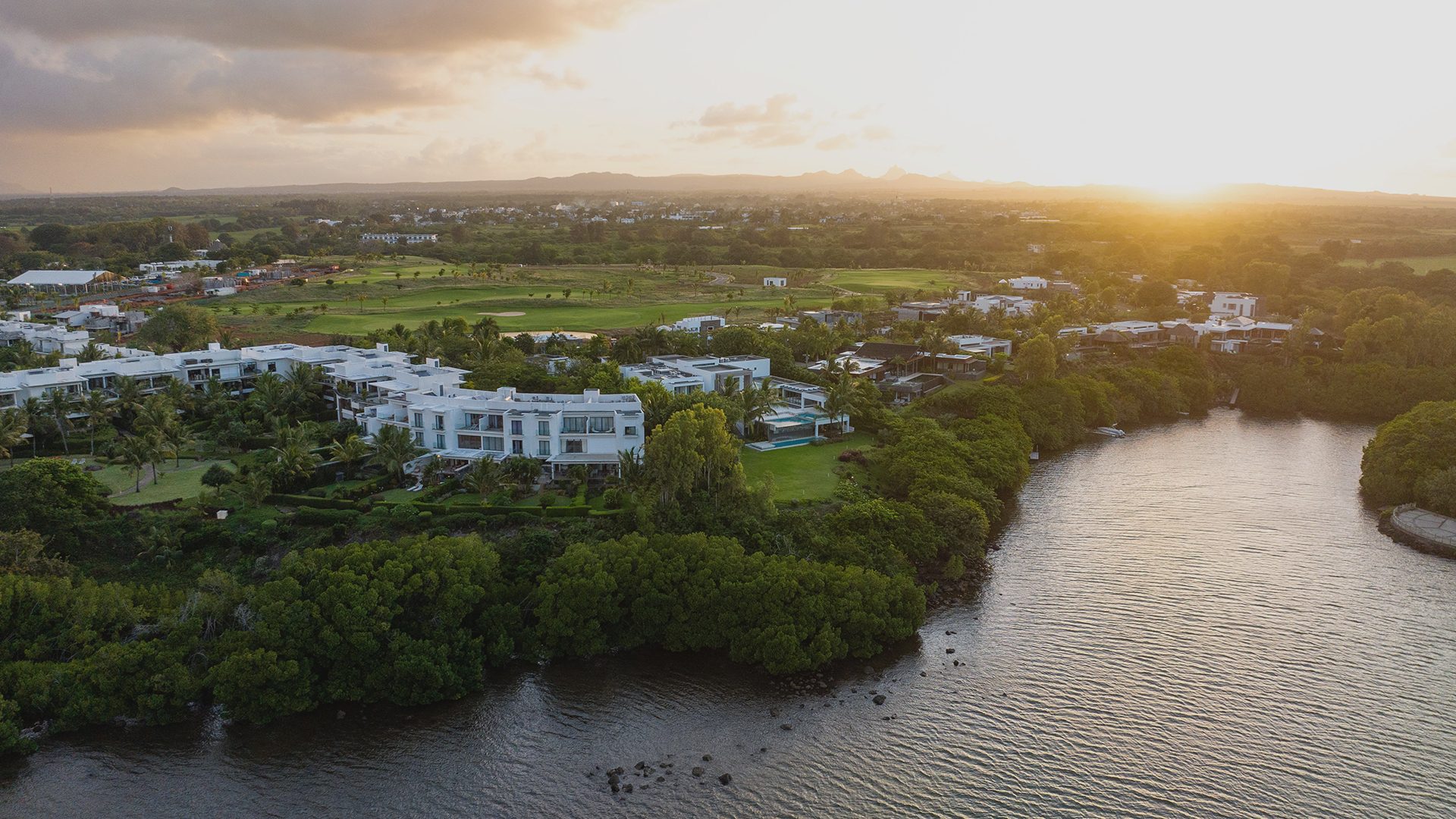
Buying property in Mauritius is attracting a growing number of buyers, including Mauritian nationals, expatriates and international investors. With its high quality of life, tropical climate, economic stability and well-defined legal framework, Mauritius offers a secure and attractive environment for a long-term real estate project.
When buying in Mauritius, it is essential to understand the local property market, the different regions of the island and the legal structures governing real estate ownership in order to secure your investment.
Why buy property in Mauritius?
Mauritius enjoys a unique position in the Indian Ocean. Its year-round warm climate, pristine beaches, safe living environment and multicultural society make it a highly sought-after destination for both living and investing.
From a real estate perspective, several factors enhance the appeal of property for sale in Mauritius:
- A clear and secure legal framework
- A stable and growing economy
- No annual property tax
- No capital gains tax on property
- Strong demand for high-quality residential properties
These advantages explain the increasing interest in buying in Mauritius, whether for a primary residence, a second home or a long-term investment.
Buying in Mauritius: who can purchase property and under what conditions?
Mauritian citizens are free to purchase property anywhere on the island. Foreign buyers, on the other hand, can acquire property for sale in Mauritius through state-approved schemes that ensure secure and transparent transactions.
The main schemes available to foreign buyers include:
- Integrated Resort Scheme (IRS)
- Real Estate Scheme (RES)
- Property Development Scheme (PDS)
- Smart City Scheme
- G+2 Scheme (Ground + 2 Floors)
These schemes allow foreigners to purchase villas, houses or apartments in full ownership, with the possibility of resale and repatriation of funds.
Official information is available from the Economic Development Board (EDB) of Mauritius.
What real estate opportunities are available in Mauritius?
Buying property in Mauritius can serve different objectives, from lifestyle to investment.
- Individual villas are highly sought after for their comfort, privacy and, in many cases, private gardens and swimming pools, particularly in coastal areas.
- Houses and townhouses offer a balanced alternative, combining space, functionality and controlled maintenance, suitable for families and investors alike.
- Apartments within residential developments are especially popular among investors due to their accessibility and strong rental demand.
Where to invest in a real estate project in Mauritius?
Location plays a key role when buying in Mauritius.
- The North is known for its vibrant lifestyle, amenities and strong rental potential.
- The West appeals to buyers looking for a natural setting and an active outdoor lifestyle.
- The East, quieter and more preserved, is ideal for a primary residence or long-term investment.
- The Central region attracts families thanks to its cooler climate and educational infrastructure.
In the north-east of the island, integrated residential developments offer a comprehensive lifestyle with shops, leisure facilities and essential services. Azuri Village, developed by real estate developer BlueLife, is a prime example of this structured and sustainable real estate project.
Investment potential and rental performance at Azuri Village
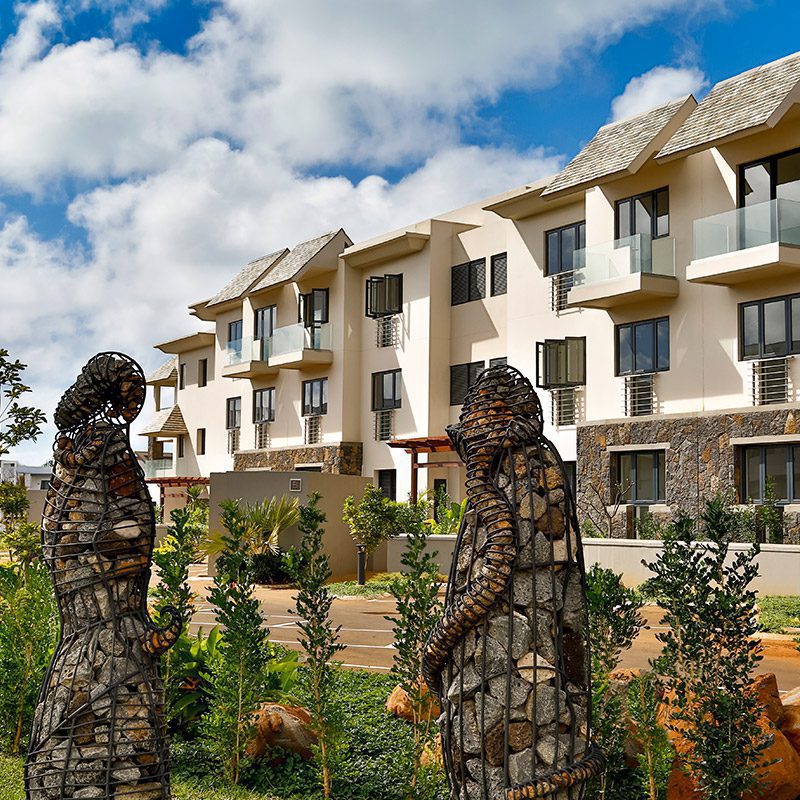
Buying property in Mauritius can also be a strategic investment decision.
At Azuri, the return on investment on resale typically ranges between 10% and 20%, while rental yields average between 5% and 7%.
Key steps when buying property in Mauritius
Buying property in Mauritius follows a clear and regulated process:
- Define your budget and real estate project
- Select the property and sign a reservation agreement
- Carry out legal checks (due diligence)
- Sign the deed of sale
- Pay the applicable purchase costs
These costs generally include registration duties, notary fees and, where applicable, agency fees.
Taxes and costs to consider
Before purchasing property for sale in Mauritius, it is important to anticipate the following costs:
- Registration duty: 5%
- Notary fees: approximately 1.15% for off-plan purchases (VEFA). For resale properties, the fees are calculated based on the property’s purchase price.
- Condominium or management fees, if applicable
- Property maintenance costs
Mauritius does not levy annual property tax or capital gains tax on real estate, which remains a significant advantage for investors.
Professional support throughout your real estate project
Buying property in Mauritius is a structured process that combines lifestyle benefits with long-term investment opportunities. To ensure a smooth and secure experience, it is strongly recommended to work with experienced real estate professionals who can guide you through available opportunities, legal frameworks and each step of the purchasing process.